

The fascinating world of Yiddish slang offers a treasure trove of colorful and often hilarious expressions. One such gem is the word "schmuck," a term that has transcended its linguistic origins to become a widely recognized insult in English. While it may seem crude at first glance, understanding the etymology and cultural context of "schmuck" reveals a deeper layer of meaning and humor.
This derisive term, derived from the Yiddish word for "penis," is often used to insult someone who is perceived as foolish, unworthy. However, it can also be used in a more lighthearted manner, even as a term of endearment among close friends.
- Certainly, the versatility of "schmuck" reflects the complex and nuanced nature of Yiddish language and culture.
Understanding Schmuck: Origins and Meanings
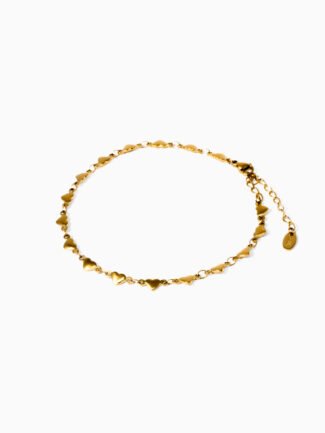
Schmuck is a colorful term with a intriguing history. Its origins can be traced back to medieval German, where it originally referred to jewelry. Over time, its meaning evolved profoundly, becoming associated with those lacking in social graces. Today, "schmuck" is primarily used as a disparaging term, often during heated arguments. Its severity depends on the context and tone of voice. However, it's important to note that using "schmuck" can be unpleasant, so it should be used with care.
Schmuck Joolei
Unpacking the expression "Schmuck Juilei" requires a journey into the hidden realms of jargon. This phrase, often uttered with a wink, carries a subtle meaning that eludes easy definition. It's a linguistic puzzle that reflects the shades of cultural identity. While its precise interpretation remains elusive, exploring "Schmuck Joolei" offers a thought-provoking glimpse into the evolution of language.
The Schmuck: From Offensive Term to Mainstream Symbol
Schmuck, a term once relegated to the realm of profanities, has undergone a fascinating transformation in recent years. What was once considered unacceptably rude is now frequently used in entertainment. This unexpected evolution can be attributed to several factors, including increased tolerance for irreverence. As slang fluctuates and shifts, terms like schmuck often find new connotations that are no longer inherently negative.
This shift has resulted in the term being employed in humorous contexts. It can now be found in stand-up comedy routines, often mockingly portray characters or situations. The reframing of schmuck as a pop culture symbol highlights the dynamic and often unpredictable nature of language.
Are" "Schmuck" Really So Offensive?
The word "schmuck" carries a weighty connotation, often used to highlight anger, frustration, or disdain. While it's undeniably a harsh